Time Wealth

Published at
07 May, 2026
Author
Gripastudio
We often think having time will bring clarity, peace, or even happiness. But what happens when we finally pause — and instead of finding answers, we are met with questions we’ve long avoided? Perhaps time wealth is not about having more time… but about learning how to be at ease within it.
I had lunch recently with a former colleague.
She was much younger. Bright. Capable. Someone I’ve always respected.
We hadn’t met in a while.
So when she reached out, I was glad.
We met at a small restaurant.
Nothing fancy. Just a quiet place where conversations can unfold.
At first, we spoke about familiar things.
Work. Updates. People we used to know.
But it didn’t take long before the tone shifted.
She paused, looked down at her plate, and said softly:
“I think I’m burnt out.”
Not dramatically. Not emotionally.
Just… honestly.
“I wake up tired. Even before the day starts.
And sometimes I wonder…”
She hesitated.
“What is all this for?”
It wasn’t a complaint. It was a question.

When Time Feels Heavy
There was a time when we thought the problem was not having enough time.
Too many meetings. Too many responsibilities. Too many expectations.
We told ourselves: “One day, when things slow down… I’ll figure things out.”
But what she was experiencing was something different.
Not the absence of time. But the weight of it.
Because sometimes, burnout is not just about doing too much.
It is about giving so much of your time to things that no longer feel like yours.
Time Is Money… Or Is It?
We grew up believing that time is money.
That every hour should be productive. Useful. Valuable.
We learned to measure our worth by how we spend our time.
But somewhere along the way, the equation quietly reversed.
Money became a way to justify how we spend our time.
Long hours. Endless demands. Constant pressure.
As if the return made it all meaningful.
But time does not return.
Every hour given is an hour lived.
Not stored. Not saved. Not earned back.
And perhaps that is where the discomfort begins.
Because deep inside, we start to feel it:
That we are not just spending time.
We are exchanging pieces of our life.

A Javanese Reflection
There is a quiet Javanese reminder: “Aja nganti urip mung kanggo golek urip.” Do not spend life merely trying to make a living.
It sounds simple.
And yet, so much of our time is spent exactly that way.
Working longer. Pushing harder. Telling ourselves it will make sense eventually. As if the exchange is fair.
But time does not negotiate. Every hour we give is not just effort. It is life.
And perhaps, what we rarely stop to ask is this:
Is what we receive truly worth what we are giving away?
Not just in money. But in meaning.
In presence. In who we are becoming along the way.
Because if life is only spent trying to sustain life, we may one day realise we have quietly traded it
for something that was never enough.

A Moment I Remember
As she spoke, I found myself remembering a moment from my own past.
It was around the time I decided to retire.
My shareholder sat with me, trying to convince me otherwise.
“You’re still young,” he said. “You still have so much to contribute.”
And he wasn’t wrong.
Ten years earlier, I had taken on the challenge to turn the company around.
There was energy then. Clarity. Purpose.
We built something meaningful.
Something that, at least to me, felt sustainable. Grounded.
But over time, something shifted.
The vision changed.
It was no longer about building something that could last.
It became about being the biggest. The best.
And somewhere along that shift, I felt it quietly within me:
I was no longer aligned.
Not dramatically. Not in conflict.
Just… no longer connected in the same way.
And I realised,
no matter how much more I could give, it would no longer feel like it was coming from the same place.
Maybe it was ilmu padi — learning to bow as we grow.
Maybe it was a different kind of wealth quietly taking shape.
Or maybe, simply,
I had begun to understand what my time meant to me.
So, I stepped away.
Not because I had nothing left to offer.
But because what I had left to offer no longer belonged there.
When Time Becomes Uncomfortable
As she continued, I didn’t feel the need to give advice.
Not because I didn’t have any.
But because I’ve learned that these questions cannot be answered too quickly.
They need space.
And perhaps, that space is what she was beginning to encounter.
Not as a solution. But as an invitation.
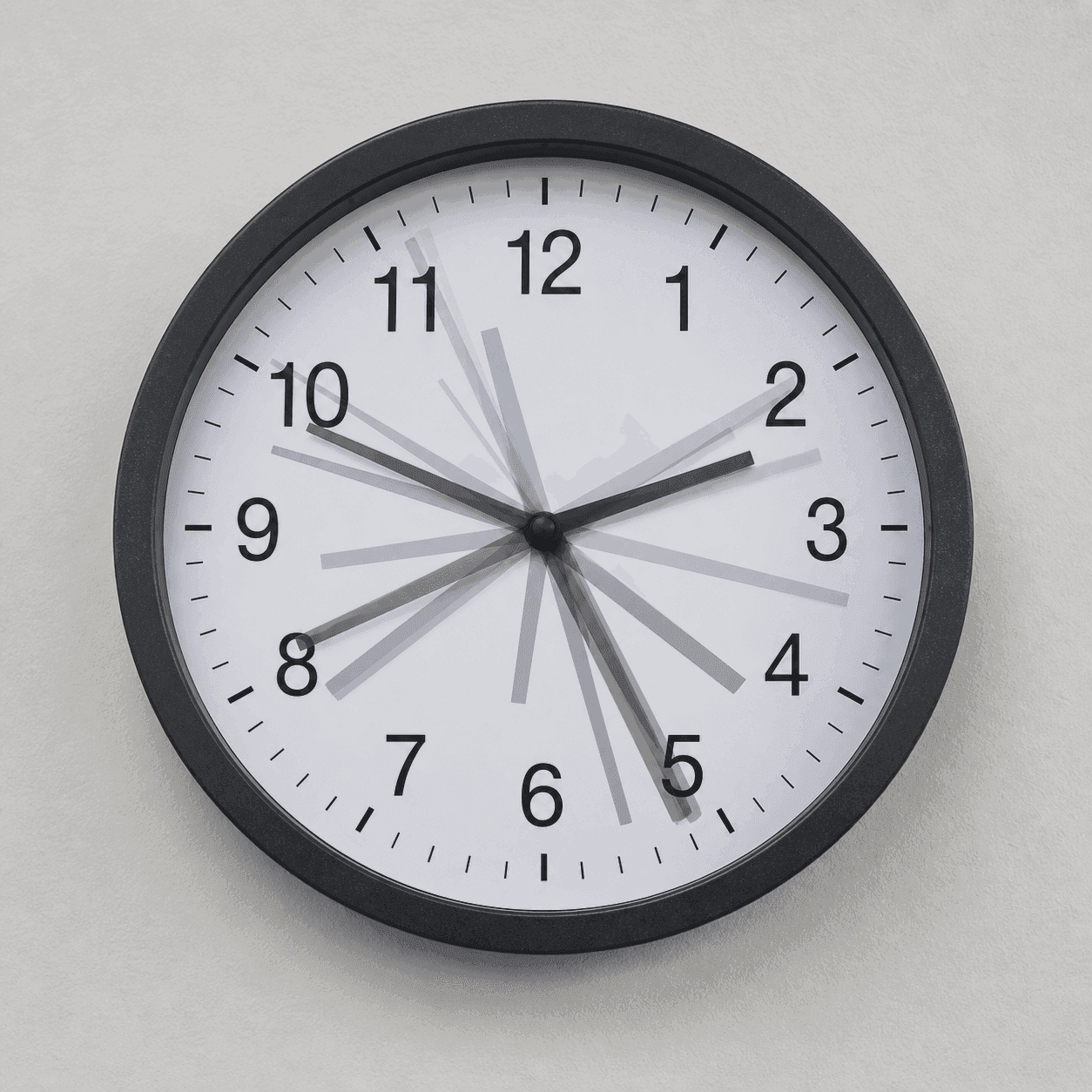
Because when time is no longer filled with urgency, it reveals something else.
Silence.
And within that silence, questions we’ve long avoided.
Am I on the right path? Does this still matter to me? Is this the life I meant to build?
Time does not create these questions. It reveals them.
The Misunderstood Wealth
We tend to think time wealth means having more time.
Less work. More freedom.
But perhaps, that is only the surface.
Because having time does not mean we feel at ease within it.
Some people have very little time — yet feel present. Grounded. Alive.
Others have more time than they need — yet feel restless. Disconnected.
So maybe time wealth is not about how much time we have.
But about whether our time feels like it belongs to us.

Final Whisper
As we finished lunch, she seemed lighter.
Not because she had answers.
But perhaps because she had allowed herself to ask the question.
And maybe that is where it begins.
Not in finding more time. Not in managing it better.
But in realising, that time is not something we own.
It is something we are given.
And how we spend it is not just a decision.
It is a reflection of what we believe our life is worth.
Because time does not carry a price.
Yet somehow, we keep assigning one.
In salaries. In expectations. In things we tell ourselves we cannot walk away from.
But if every hour is a piece of our life,
then perhaps the real question is not:
How much is our time worth?
But—
Have we been giving it to things that are worthy of it?
And perhaps, time wealth is simply this:
To live in a way where our time no longer feels traded —
but honoured,
and no longer given away lightly.